Personality tests have captivated human beings for generations. Whether they appear in magazines, social media feeds, psychology discussions, or casual conversations among friends, people are endlessly fascinated by the possibility that a simple choice might reveal something meaningful about who they are.
One particularly intriguing type of personality test relies on first impressions. Instead of asking dozens of questions, these tests present a single image and ask you to make an instant judgment. The theory is simple: your unconscious mind notices certain details before your conscious mind has time to analyze them.
One popular visual challenge asks an unusual question:
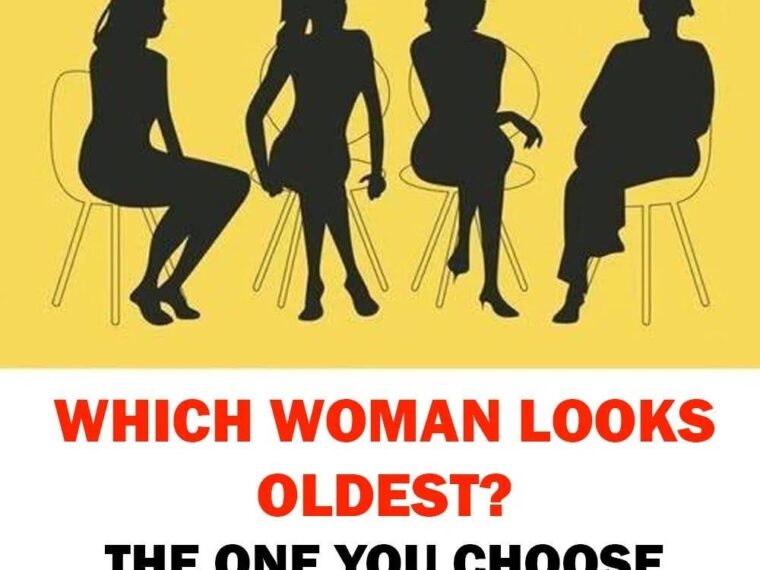
Which woman looks the oldest?
At first glance, the task seems easy. Four female silhouettes appear before you. Each has a different posture, hairstyle, body language, and overall presence. Participants are instructed not to overthink the image. Instead, they are encouraged to trust their instincts and choose the woman who immediately appears oldest.
The fascinating part comes afterward.
According to the test, your answer may reveal hidden aspects of your personality, including how you view confidence, relationships, maturity, trust, emotional intelligence, ambition, and even your own strengths and vulnerabilities.
Now, before diving deeper, it is important to understand something crucial: visual personality tests are not scientific psychological assessments. They cannot diagnose personality traits, predict future behavior, or accurately define who someone is.
However, that does not mean they are meaningless.
These tests remain fascinating because they reveal something important about human perception. They show how different people can look at the exact same image and reach completely different conclusions. They demonstrate how personal experiences, cultural influences, emotional states, and unconscious preferences shape the way we interpret the world around us.
And perhaps most importantly, they invite us to reflect on ourselves.
Sometimes the value of a personality test is not whether it is objectively accurate.
The value lies in the questions it inspires.
Why did you choose that woman?
What did you notice first?
What assumptions did your mind make?
What qualities stand out to you when judging age, maturity, confidence, or character?
The answers may tell a deeper story than you expect.
Why Humans Love Personality Tests
Human beings are naturally curious about themselves.
Throughout history, people have searched for ways to understand:
- their strengths
- their weaknesses
- their motivations
- their relationships
- their emotions
- their identity
Personality tests appeal to this curiosity because they promise insight.
They suggest that hidden patterns may exist beneath our everyday choices.
Even when these tests are not scientifically rigorous, they often encourage valuable self-reflection.
After all, self-awareness begins with asking questions.
The Psychology of First Impressions
One reason visual personality tests feel so convincing is because first impressions are genuinely powerful.
Research consistently shows that humans form judgments within seconds.
When meeting someone new, people quickly evaluate:
- trustworthiness
- confidence
- friendliness
- competence
- attractiveness
- authority
These judgments occur automatically.
The brain processes enormous amounts of information rapidly because quick assessments once helped our ancestors survive.
How the Brain Makes Instant Judgments
When you see an image, your brain immediately begins analyzing:
- posture
- body language
- symmetry
- movement
- clothing
- facial features
- perceived age
Most of this processing happens unconsciously.
By the time you consciously decide which woman appears oldest, your brain has already formed numerous assumptions.
That is why these tests feel surprisingly personal.
They tap into automatic thinking patterns.
Why Different People See Different Things
Perhaps the most fascinating aspect of visual personality tests is that there is rarely a universally obvious answer.
Some people instantly select Woman #1.
Others confidently choose Woman #2.
Still others feel certain that Woman #3 or Woman #4 appears oldest.
This variation reveals an important truth:
Perception is deeply personal.
What stands out to one person may go completely unnoticed by another.
The Role of Personal Experience
Life experiences shape perception.
For example:
- Someone raised around strong independent women may associate certain postures with maturity.
- Someone who values elegance may focus on composure.
- Someone who prioritizes emotional warmth may notice different cues entirely.
These experiences influence interpretation without conscious awareness.
Understanding Woman #1: The Symbol of Stability and Grace
According to the test, choosing Woman #1 suggests an appreciation for elegance, emotional balance, and stability.
This interpretation resonates because posture often influences perceptions of maturity.
People who stand or sit with calm composure are frequently viewed as:
- responsible
- dependable
- trustworthy
- emotionally grounded
Why Stability Is Attractive
In an increasingly chaotic world, stability carries enormous value.
People who value stability often seek:
- peaceful relationships
- reliable friendships
- predictable environments
- emotional consistency
They tend to dislike unnecessary drama and prefer thoughtful communication.
These individuals often become the people others rely on during difficult times.
The Hidden Burden of Being the Strong One
However, people associated with stability often face a unique challenge.
Because they appear capable, others assume they are always fine.
As a result, they may carry heavy emotional responsibilities silently.
Many dependable individuals struggle with:
- burnout
- emotional exhaustion
- difficulty asking for help
Their strength becomes both a gift and a burden.
Why Observant People Often Remain Quiet
Many highly observant individuals speak less than others.
This does not mean they notice less.
In fact, the opposite is often true.
They frequently observe:
- emotional dynamics
- subtle tensions
- body language
- unspoken feelings
Before expressing opinions, they gather information.
This tendency can make them excellent advisors.
Understanding Woman #2: The Independent Achiever
Choosing Woman #2 is often associated with confidence, ambition, and independence.
These qualities are highly valued in modern society.
Independent individuals frequently possess strong internal motivation.
They enjoy setting goals and pursuing them relentlessly.
The Psychology of Ambition
Ambition is more than wanting success.
It often reflects a deep desire for:
- growth
- achievement
- self-improvement
- purpose
People drawn toward ambitious personalities tend to admire determination.
They respect effort and resilience.
Why Independent People Sometimes Feel Misunderstood
Strong personalities often face misunderstandings.
Direct communication styles can sometimes appear:
- intimidating
- blunt
- overly confident
Even when no harm is intended.
As a result, independent individuals may occasionally feel isolated.
Others see confidence.
They experience vulnerability.
The Relationship Between Resilience and Success
One reason resilience is so admired is because life inevitably presents challenges.
Resilient people continue moving forward despite:
- failure
- disappointment
- criticism
- setbacks
Their strength comes not from avoiding hardship but from adapting to it.
This quality often contributes significantly to long-term success.
Understanding Woman #3: The Emotionally Intelligent Empath
Woman #3 is associated with creativity, intuition, and emotional intelligence.
Many people find this interpretation deeply appealing because emotional intelligence influences nearly every aspect of life.
What Is Emotional Intelligence?
Emotional intelligence involves:
- recognizing emotions
- understanding feelings
- managing reactions
- empathizing with others
Individuals with strong emotional intelligence often excel in relationships because they understand emotional dynamics naturally.
Why Empaths Notice What Others Miss
Click page 2 to continue