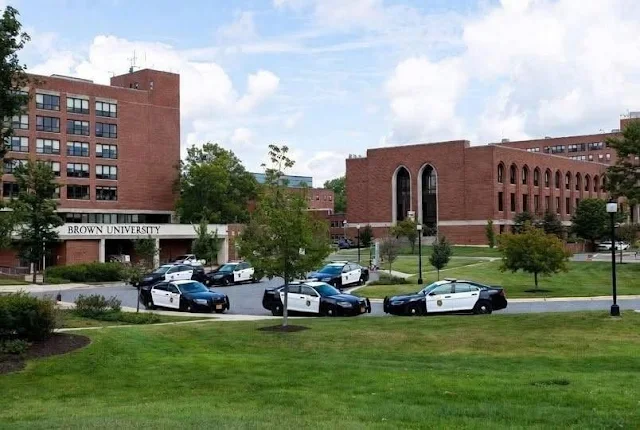
Repeated exposure to trauma can contribute to:
- PTSD
- Depression
- Anxiety
- Emotional numbness
- Substance abuse
- Burnout
Communities often celebrate first responders publicly immediately after tragedy, but long-term emotional support is equally important.
Healing requires sustained care, not only momentary recognition.
The Power of Community During Grief
One of the most beautiful aspects of humanity emerges during moments of collective pain: people come together.
Neighbors deliver meals.
Strangers donate supplies.
Volunteers organize vigils.
Counselors offer free services.
Teachers comfort students.
Families hold each other tighter.
Communities remind grieving people they are not alone.
This collective compassion matters deeply because trauma often creates isolation. People feel disconnected from normal life, as if the world continues moving while they remain emotionally frozen.
Community support interrupts that isolation.
Even small gestures become meaningful:
- A text message
- A warm meal
- A hug
- Sitting quietly beside someone
- Remembering anniversaries
- Saying a victim’s name
Grief changes shape over time, but human connection helps people survive it.
Why Healing Is Never Linear
One of the most misunderstood aspects of grief is the belief that healing follows a straight path.
It does not.
Some days feel manageable.
Others feel unbearable.
A grieving child may laugh one moment and cry unexpectedly the next.
A parent may function normally for weeks before suddenly collapsing emotionally months later.
Trauma moves unpredictably through the body and mind.
Triggers can appear unexpectedly:
- A school bell
- A news story
- A backpack
- A hallway
- A song
- An anniversary date
People often judge themselves harshly for “not moving on fast enough.”
But grief is not a problem to solve.
It is an emotional process the brain and heart must slowly navigate.
Healing does not mean forgetting.
It means learning how to continue living while carrying pain differently over time.
The Importance of Mental Health Support
After school tragedies, emotional support services become essential.
Children and adults may experience symptoms such as:
- Nightmares
- Panic attacks
- Irritability
- Difficulty concentrating
- Withdrawal
- Sleep problems
- Fear of separation
- Emotional numbness
These reactions are not signs of weakness.
They are normal human responses to abnormal events.
Professional mental health support can help individuals process trauma safely before it becomes deeply entrenched.
Schools and communities benefit enormously from:
- Trauma-informed counselors
- Crisis response teams
- Support groups
- Therapy access
- Emotional education programs
Mental health care should never be treated as optional after collective trauma.
Social Media’s Complex Role in Modern Tragedy
Today, tragedies unfold not only in real life but across digital spaces instantly.
Within minutes, images, rumors, videos, opinions, and emotional reactions spread online worldwide.
Social media can provide:
- Support
- Awareness
- Community solidarity
- Resource sharing
But it can also intensify emotional distress dramatically.
Constant exposure to traumatic content can overwhelm both children and adults psychologically.
Many people unknowingly retraumatize themselves by:
- Rewatching disturbing footage
- Reading endless arguments
- Doomscrolling late into the night
- Absorbing misinformation
After tragedy, emotional boundaries matter.
Limiting excessive media exposure can protect mental health significantly.
Children Need Stability More Than Perfect Words
Many parents become terrified of saying the wrong thing after tragedy.
But children do not need perfect speeches.
They need emotionally available adults.
They need:
- Presence
- Listening
- Patience
- Honesty
- Calm reassurance
Sometimes the most healing words are simple:
“I’m here.”
“We’ll get through this together.”
“You can talk to me anytime.”
Children remember emotional safety more than perfect explanations.
Why Adults Must Care for Themselves Too
Caregivers often neglect their own emotional needs while trying to support children.
Parents may suppress fear to appear strong. Teachers may ignore burnout to continue functioning. Community leaders may prioritize others while silently collapsing internally.
But emotional exhaustion eventually surfaces.
Adults need support too:
- Rest
- Therapy
- Community
- Conversation
- Time away from media
- Healthy coping strategies
Children benefit when adults model emotional regulation rather than emotional suppression.
Saying:
“I’m feeling sad today too, so I’m going to take a walk and breathe for a bit.”
teaches healthy coping powerfully.
The Danger of Emotional Isolation
After traumatic events, some people withdraw emotionally because connection feels overwhelming.
They stop talking.
Stop answering messages.
Stop expressing emotions.
Isolation may feel protective temporarily, but prolonged emotional disconnection often deepens suffering.
Healing usually requires safe connection:
- Trusted friends
- Family support
- Counseling
- Community rituals
- Shared grief
Humans are not designed to carry trauma entirely alone.
Beyond Headlines: Remembering Humanity
News cycles move quickly.
But grieving families continue waking up every day carrying unimaginable pain long after headlines disappear.
Communities often feel abandoned once public attention fades.
This is why long-term compassion matters.
Remembering victims as human beings rather than statistics is deeply important.
Each victim was:
- Someone’s child
- Someone’s best friend
- Someone’s sibling
- Someone’s student
- Someone’s entire world
Behind every tragedy are unfinished futures, empty bedrooms, interrupted dreams, and families forever changed.
Empathy requires remembering this humanity even after public attention shifts elsewhere.
The Role of Hope After Darkness
In the aftermath of tragedy, hope can feel almost impossible.
And yet, again and again, communities demonstrate extraordinary resilience.
People continue:
- Loving
- Teaching
- Protecting
- Helping
- Healing
- Rebuilding
Children continue laughing eventually.
Teachers continue showing up.
Families continue finding ways to honor loved ones.
Communities continue lighting candles in the dark.
Hope after tragedy does not mean pretending pain never happened.
It means believing healing remains possible despite pain.
A Final Reminder: Compassion Matters More Than Ever
When schools experience tragedy, the emotional impact reaches far beyond one building or one city.
It reminds humanity of both its vulnerability and its interconnectedness.
In moments like these, people need compassion more than judgment.
Children need reassurance more than fear.
Families need support more than noise.
Communities need healing more than division.
And perhaps most importantly, grieving people need time.
Time to cry.
Time to process.
Time to remember.
Time to slowly rebuild emotional safety in a world that suddenly feels uncertain.
There is no perfect roadmap for healing after tragedy.
But there are human truths that remain powerful:
- Listening helps.
- Presence helps.
- Kindness helps.
- Patience helps.
- Community helps.
- Love helps.
Even in the darkest moments, these things still matter profoundly.
Because long after the headlines disappear, long after debates quiet down, long after cameras leave, what remains are human beings trying to find their way back toward safety, connection, and hope.
And sometimes, healing begins with something very simple:
A conversation.
A hug.
A quiet moment beside someone hurting.
A reminder that no one should carry grief alone.